
 Custom Printed Recycled 3 Side Sealed Bag with Zipper (20 g)
Recycled-Content Packaging
Recycled-content packaging is specified with post-consumer recyclate in the outer layers and a virgin food-contact layer against the product, so the declared content and the food-contact evidence both hold. It runs mostly as flat bottom bags and stand up pouches from 100 g to 5 kg, with zippers and valves. Performance is unchanged against the same structure in virgin film, which is usually what makes it the easiest sustainability change to get approved internally.
In this range53 products
Minimum orderFrom 1,000 pieces
SamplesStock samples free
Lead time15-25 days after approval
-
Custom Printed Recycled 3 Side Sealed Bag with Zipper (20 g)
-
 Custom Printed Recycled Coffee Bag with Valve (250 g)
 -
 Custom Printed Recycled Coffee Bag with Valve (250 g) No. 2
 -
 Custom Printed Recycled Coffee Bag with Zipper
 -
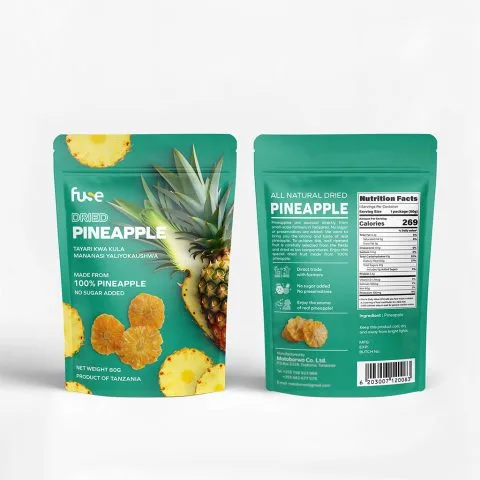 Custom Printed Recycled Coffee Bag with Zipper (100 g)
 -
 Custom Printed Recycled Coffee Bag with Zipper and Valve (250 g)
 -
 Custom Printed Recycled Coffee Bag with Zipper No. 2
 -
 Custom Printed Recycled Flat Bottom Bag with Zipper
 -
 Custom Printed Recycled Foil Coffee Bag with Zipper and Valve (250 g)
 -
 Custom Printed Recycled Foil Flat Bottom Bag for Coffee (100 g)
 -
 Custom Printed Recycled Foil Matt Coffee Bag with Zipper and Valve (250 g)
 -
 Custom Printed Recycled Foil Pet Food Bag for Dry Pet Food (1 kg)
 -
 Custom Printed Recycled Foil Spout Pouch for Juice (50 ml)
 -
 Custom Printed Recycled Foil Stand Up Pouch for Snacks (200 g)
 -
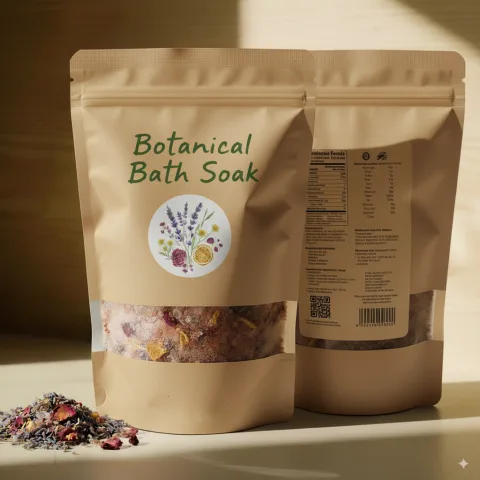 Custom Printed Recycled Foil Stand Up Pouch with Zipper
 -
 Custom Printed Recycled Foil Stand Up Pouch with Zipper (250 g)
 -
 Custom Printed Recycled Foil Stand Up Pouch with Zipper and Window
 -
 Custom Printed Recycled Foil Stand Up Pouch with Zipper and Window (250 g)
 -
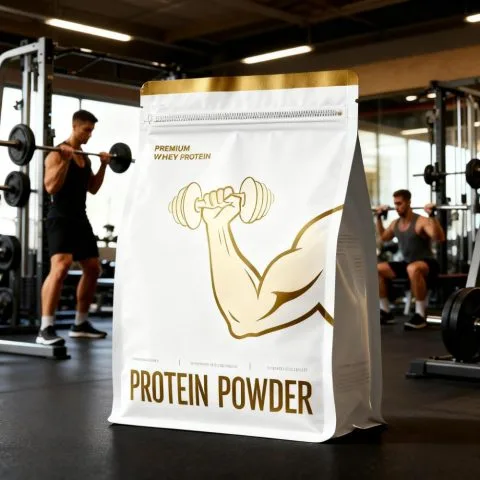 Custom Printed Recycled Foil Whey Protein Bag for Protein and Supplement Powders (500 g)
 -
 Custom Printed Recycled Foil Whey Protein Bag with Zipper (1 kg)
 -
 Custom Printed Recycled Foil Whey Protein Bag with Zipper (1 kg/2 kg/3 kg/5 kg)
 -
 Custom Printed Recycled Foil Whey Protein Bag with Zipper (5 kg)
 -
 Custom Printed Recycled Kraft Coffee Bag with Valve (100 g)
 -
 Custom Printed Recycled Kraft Side Gusset Bag for Coffee
 -
 Custom Printed Recycled Kraft Stand Up Pouch with Zipper
 -
 Custom Printed Recycled Matt Coffee Bag with Zipper and Valve (250 g)
 -
 Custom Printed Recycled Matt Coffee Bag with Zipper and Valve (250 g) No. 2
 -
 Custom Printed Recycled Paper Pouch with Zipper
 -
 Custom Printed Recycled Paper Pouch with Zipper No. 2
 -
 Custom Printed Recycled Paper Pouch with Zipper No. 3
 -
 Custom Printed Recycled Pet Food Bag for Dry Pet Food (1 kg)
 -
 Custom Printed Recycled Pet Food Bag for Dry Pet Food (1 kg) No. 2
 -
 Custom Printed Recycled Pet Food Bag with Zipper – Smell-Proof (1 kg)
 -
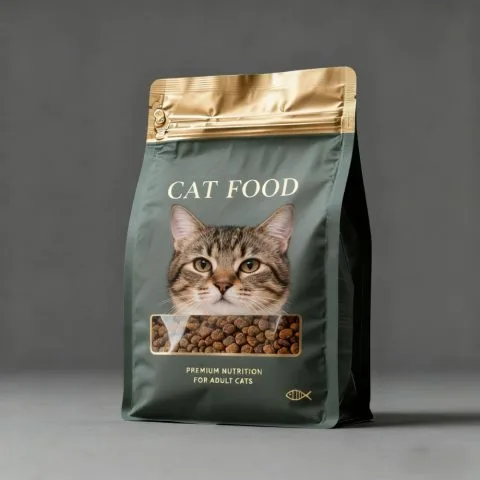 Custom Printed Recycled Pet Food Bag with Zipper – Smell-Proof (1 kg) No. 2
 -
 Custom Printed Recycled Pet Food Bag with Zipper (1 kg/3 kg/5 kg)
 -
 Custom Printed Recycled Pet Food Bag with Zipper (2 kg/5 kg/10 kg)
 -
 Custom Printed Recycled Pet Food Bag with Zipper (5 kg)
 -
 Custom Printed Recycled Pet Food Bag with Zipper and Window
 -
 Custom Printed Recycled Side Gusset Bag for Coffee (1 kg)
 -
 Custom Printed Recycled Spout Pouch for Juice
 -
 Custom Printed Recycled Spout Pouch for Juice (100 ml)
 -
 Custom Printed Recycled Spout Pouch with Zipper
 -
 Custom Printed Recycled Stand Up Pouch with Zipper
 -
 Custom Printed Recycled Stand Up Pouch with Zipper (150 g)
 -
 Custom Printed Recycled Stand Up Pouch with Zipper (20 g)
 -
 Custom Printed Recycled Stand Up Pouch with Zipper No. 4
 -
 Custom Printed Recycled Stand Up Pouch with Zipper No. 5
 -
 Custom Printed Recycled Stand Up Pouch with Zipper No. 6
About recycled and recyclable packaging
Two Different Promises, Often Confused
Recycled content and recyclability are separate things, and a pack can have one without the other. Recycled content means post-consumer material went into making the film. Recyclable means the finished pack can go into a stream at the end of its life. Buyers ask for one and mean the other often enough that it is worth settling at the quote stage.
Recycled Content: PCR Film in the Structure
Post-consumer recycled film goes into the outer layers of the laminate, where it does not touch the product. That limit is not ours — food-contact rules restrict what recycled material may sit against the fill, so a food pack carries PCR in the print web and a virgin sealant inside. We state the percentage in the specification rather than describing the pack as recycled and leaving it there.
Recyclable: Mono-Material PE
A laminate made of one polymer family can go into an existing PE stream where one exists. It gives up some barrier against a foil or a mixed laminate, so it is specified against your stated shelf life rather than offered as a free upgrade. For many dry goods it is entirely adequate; for coffee or high-fat products it usually is not.
Choosing Between the Three Routes
| Route | Good for | Gives up |
|---|---|---|
| Recycled content | Cutting virgin plastic without changing performance | Nothing on the shelf; PCR cannot touch food |
| Mono-material PE | A genuine kerbside recycling route | Some barrier, so some shelf life |
| Compostable | Markets with a composting stream | More shelf life, more cost |
All three run across the formats we make, so the decision is about the structure rather than about giving up the pack you wanted. Tell us the claim you need to print on the back panel and the shelf life you need to hold, and we will tell you which of the three actually does both.
Narrow it down
Where Recycled-Content Packaging Sits in the Range
The numbers are how many packs in this range are also in that one, counted from the catalogue rather than chosen by hand.
The Shapes This Range Is Made In
Frequently asked
Specifying Recycled-Content Packaging: The Questions That Decide It
How much recycled content can you achieve?
It depends where it can sit. In a non-food pack, a high proportion. In a food pack the sealant must be virgin, so the recycled material goes in the outer layers and the overall percentage is lower. We state the actual figure.
Can recycled film touch food?
Not as the sealant layer, under food-contact rules in most markets. Any supplier offering a fully recycled food pack is describing something that would not pass a compliance check.
Is recycled the same as recyclable?
No. Recycled content is about what went in; recyclable is about where it can go afterwards. A pack can have one without the other, and buyers frequently ask for one meaning the other.
What is mono-material PE?
A laminate whose layers are all the same polymer family, so it can enter an existing PE recycling stream instead of being rejected as a mixed material.
How much barrier does mono-material give up?
Enough to matter on coffee, high-fat and long-dated products, and not enough to matter on many dry goods. We specify it against your stated shelf life rather than offering it as a free upgrade.
Does recycled content change how it prints?
Slightly. Recycled film can be marginally less consistent in surface and shade, which shows most on large flat solids. Where a brand colour carries the pack, ask for a draw-down first.
Can the recycled content be certified?
Yes, ISCC PLUS on request. Certification traces the material rather than taking anyone's word for the percentage, and it is worth having if the claim goes on the pack.
Is recycled film more expensive?
Usually a little, and the premium moves with feedstock supply. It is a smaller gap than compostable and it does not change the performance of the pack.
Recycled, recyclable or compostable — which should we choose?
Recycled content if you want less virgin plastic with no change on the shelf. Mono-material if your customers have a plastics stream. Compostable if they have a composting stream. The third is the least common in practice.
What happens to your own production waste?
Clean process waste is pelletised on site and goes back into non-food applications rather than being sold as mixed scrap. That line sits inside our ISO 14001 scope.