
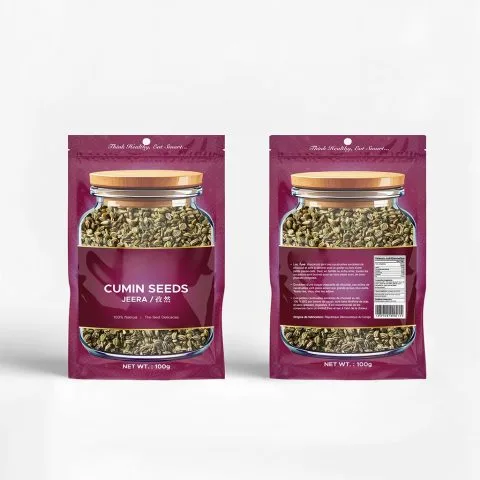
 Custom Printed Compostable 3 Side Sealed Bag for Sachets No. 2
Rice, Grain and Flour Bags
Rice, grain and flour bags are for dense products bought on cost per kilo, from 250 g to 5 kg in PET/PE, compostable and foil laminates with resealable zippers and die-cut windows. Weight rather than volume decides the specification here: a kilo of rice occupies about a third of the space a kilo of snacks does. It is the seals rather than the film that decide whether the pack survives a pallet, so seal width and drop testing come first.
In this range9 products
Minimum orderFrom 1,000 pieces
SamplesStock samples free
Lead time15-25 days after approval
-
Custom Printed Compostable 3 Side Sealed Bag for Sachets No. 2
-
 Custom Printed Compostable Side Gusset Bag with Zipper (1 kg)
 -
 Custom Printed Flat Bottom Bag with Window (1 kg)
 -
 Custom Printed Flat Bottom Bag with Zipper (5 kg)
 -
 Custom Printed Foil Mylar Bag with Zipper – Smell-Proof (5 g) No. 2
 -
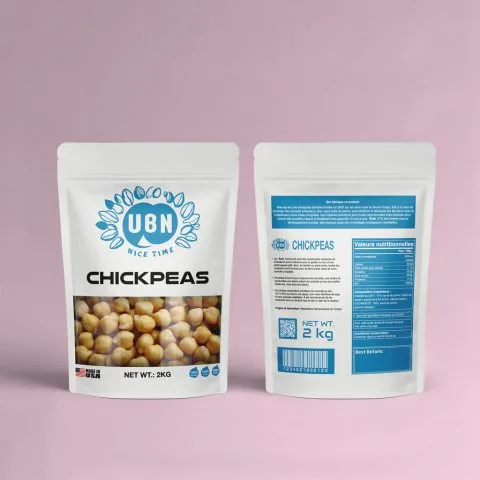 Custom Printed Foil Stand Up Pouch with Zipper and Window
 -
 Custom Printed Kraft Stand Up Pouch with Zipper (1 kg)
 -
 Custom Printed Mylar Bag for Odour and Moisture Sensitive Dry Goods No. 2
 -
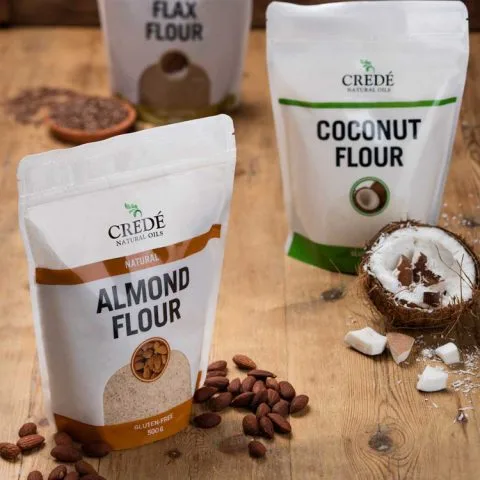 Custom Printed Mylar Bag with Zipper (250 g)
Narrow it down
Where Rice, Grain and Flour Bags Sits in the Range
The numbers are how many packs in this range are also in that one, counted from the catalogue rather than chosen by hand.
The Shapes This Range Is Made In
The Materials It Runs In
About rice, grain and flour bags
Heavy, Dense and Bought on Cost per Kilo
Grains are the least forgiving thing we pack, for a mundane reason: they are dense. Five kilograms of rice in a bag the size of a five kilogram bag of crisps is a completely different engineering problem, and it is the seals rather than the film that decide whether the pack survives the pallet.
Weight Is the Specification
Bulk density sets the gusset, the film gauge and the seal width. A bag that holds it fine on a shelf can still burst when dropped a metre onto concrete, so we set the seal lands from the filled weight and the drop height rather than from the volume. On 10 kg and up, a carry handle stops customers grabbing the bag by its top seal, which is where most field failures start.
Vacuum and Brick Packs
Rice ships as a vacuum brick more often than as a loose bag, because a brick uses less volume in a container and resists insect ingress. That needs a side gusset construction that pulls flat when drawn down, and a laminate that does not pinhole at the fold lines when the brick is handled.
Flour Is Not Rice
Flour is fine enough to escape through a seal that grain would never find, and it coats the sealing surface during filling, which is the usual cause of an intermittent leaker. Wider seals and a filling line set up for powder both matter. Tell us which you are packing; the two are quoted differently.
Frequently asked
Specifying Rice, Grain and Flour Bags: The Questions That Decide It
What stops a 5 kg bag bursting when dropped?
Seal width and sealant choice, more than film thickness. We set both from the filled weight and the drop height you need it to survive, then drop-test filled packs rather than judging on the bench.
Do I need a carry handle?
From about 5 kg upwards it is worth it. Without one customers pick the bag up by its top seal, which is where most field failures start.
Can rice be vacuum packed as a brick?
Yes, and it is the standard for export. It needs a side gusset construction that pulls flat when drawn down and a laminate that does not pinhole at the fold lines.
Why does flour leak when rice does not?
Flour is fine enough to coat the sealing surface during filling, and a seal made through powder is not a seal. Wider seal lands and a filling line set up for powder both help.
Does the pack protect against insects?
A well-sealed high-barrier pack resists ingress, and a vacuum brick resists it better. Neither is a substitute for treating the product; we will not claim otherwise.
What is the biggest bag you make?
25 kg routinely, and heavier is quotable. Past that the seals rather than the film become the limiting factor and the construction changes.
Can I have a window to show the grain?
Yes, and it sells rice and pulses well. Keep it away from the seals and the base, where the weight concentrates stress.
Should it be flat bottom or side gusset?
Side gusset for cost per kilo, flat bottom for shelf presence and stacking. At retail weights the flat bottom usually wins; at wholesale the side gusset does.
Is a zipper practical at these weights?
Up to about 2 kg, yes. Above that the pack is usually decanted at home, and a zipper is cost that is used once.
Can grain bags be made with recycled content?
Yes, in the outer layers with a virgin sealant against the food. The percentage is stated in the specification rather than described as recycled and left there.