
Plant
Our Plant and Equipment
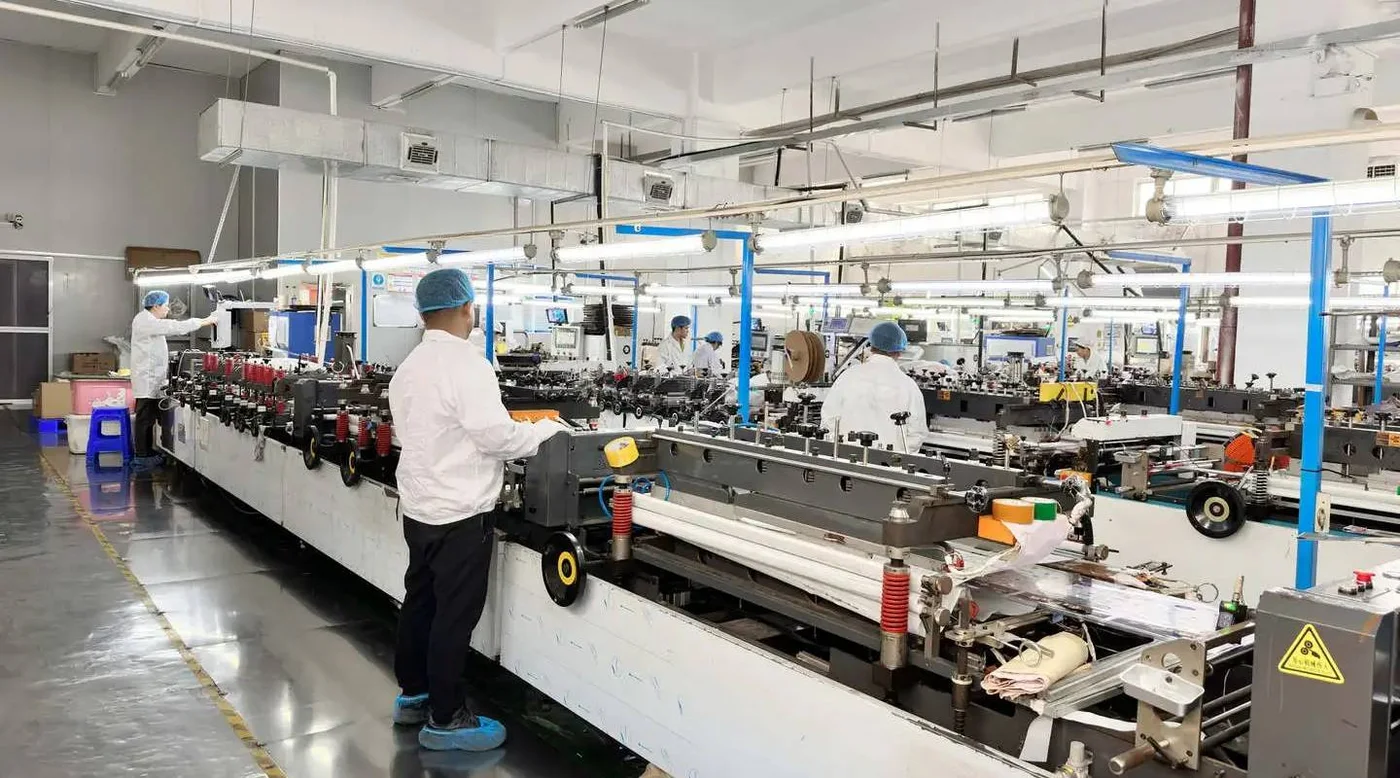
An 84,000 m² site in Shenzhen, China, running since 2013 at roughly one hundred thousand tonnes a year. These are the lines your order actually passes through.
Site84,000 m², Shenzhen District
Running since2013
OutputAround 100,000 tonnes a year
On siteExtrusion through bag making
Plant
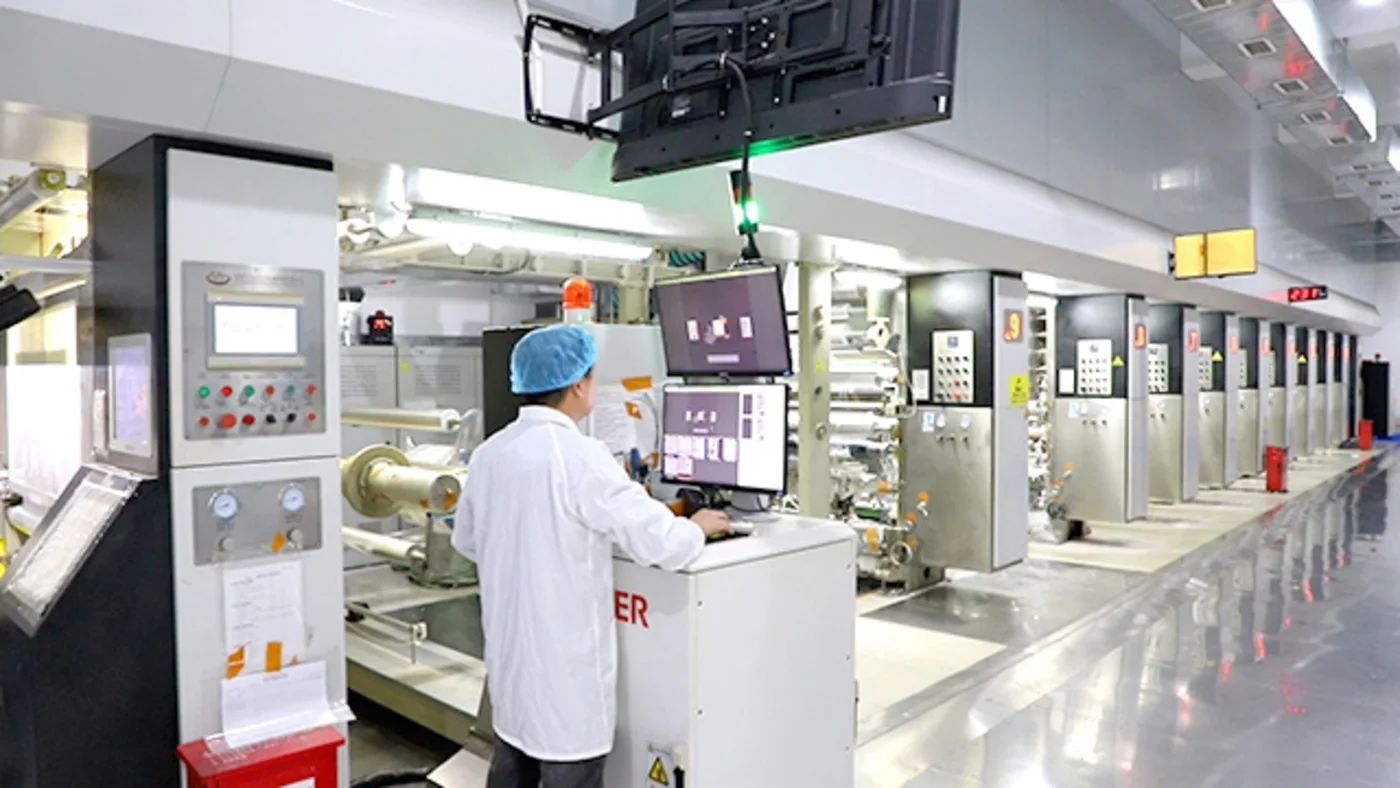
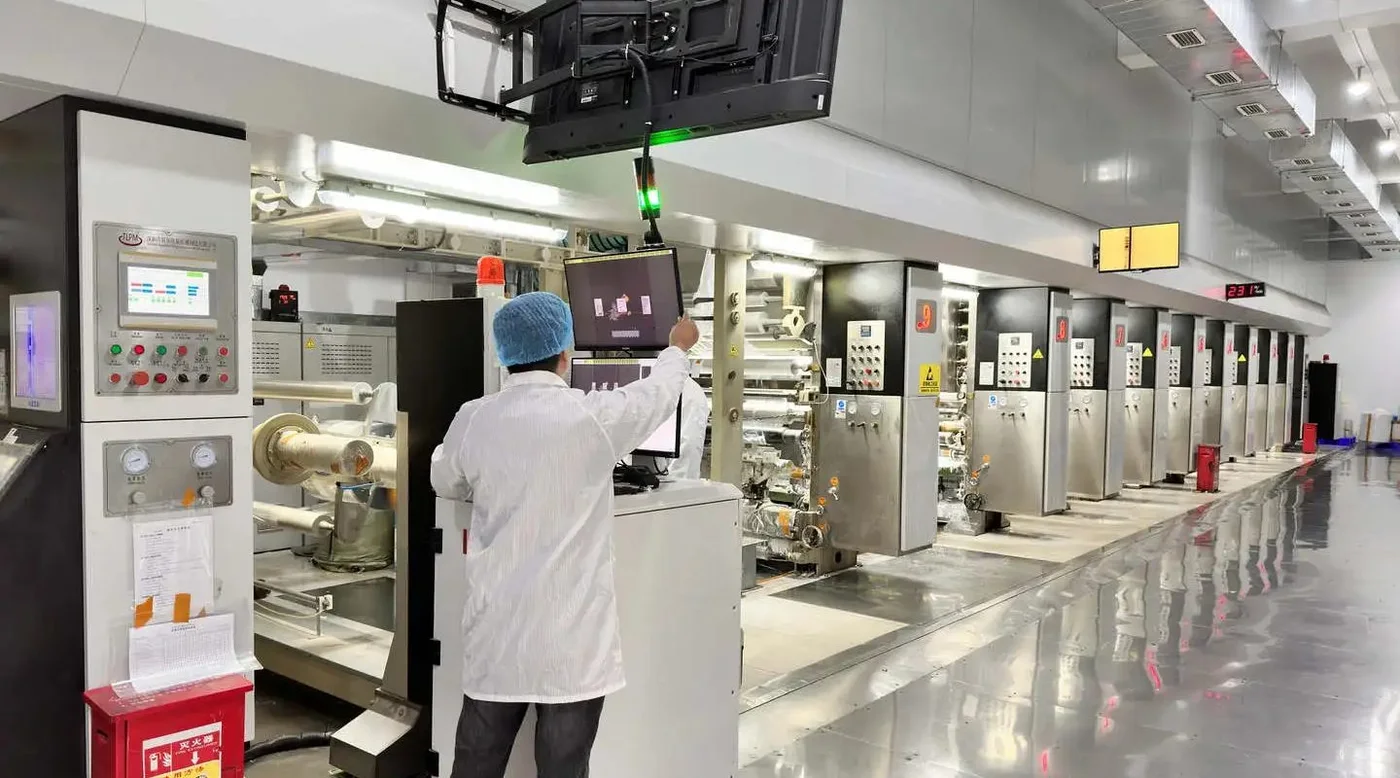
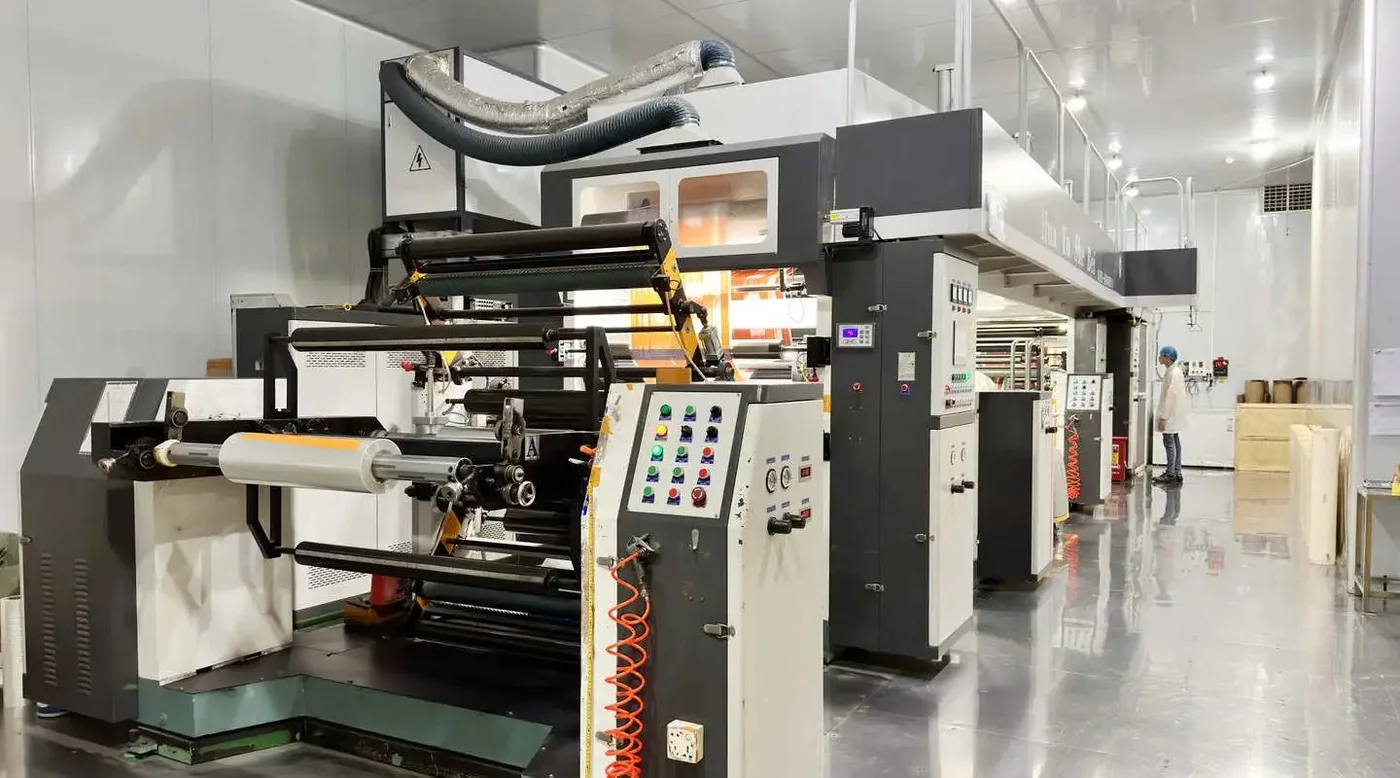
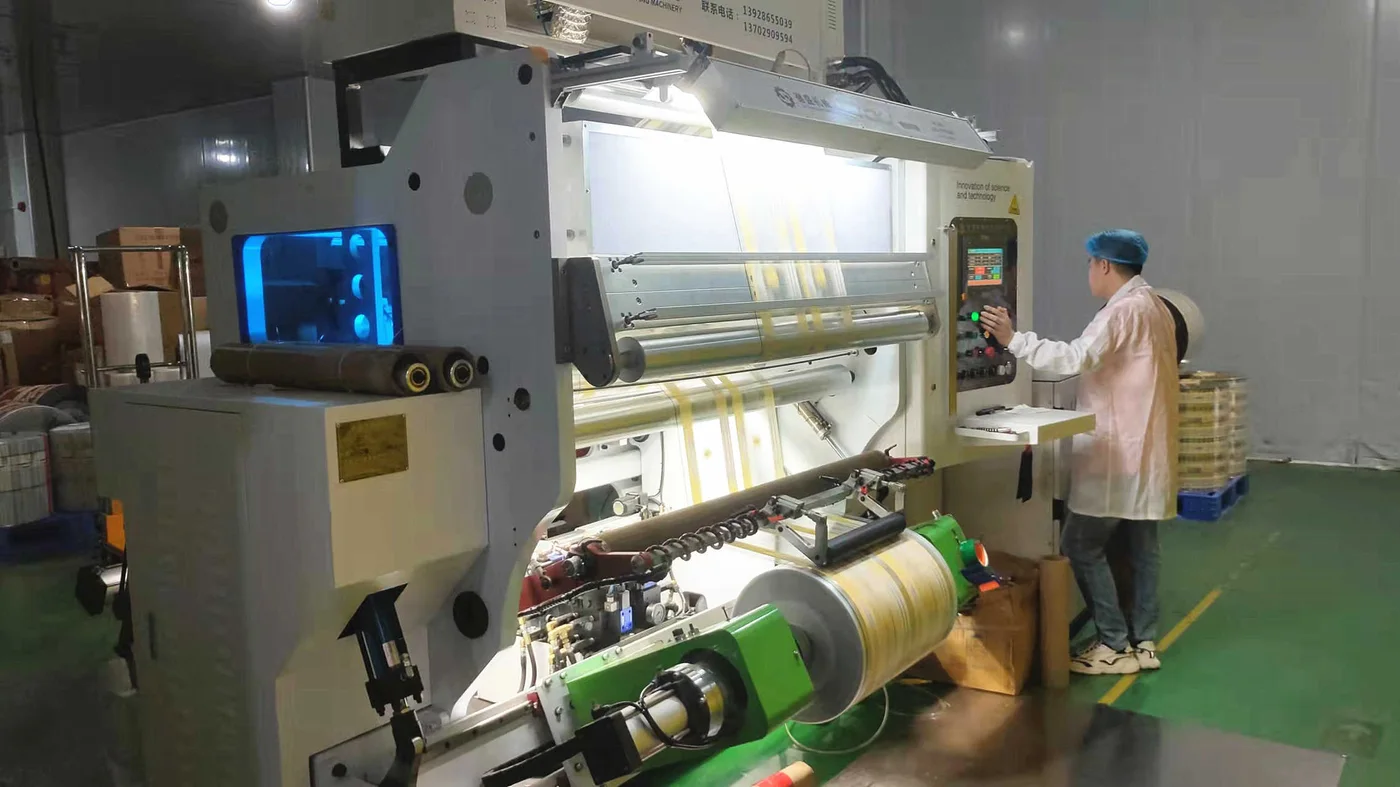
The Lines Your Order Runs On
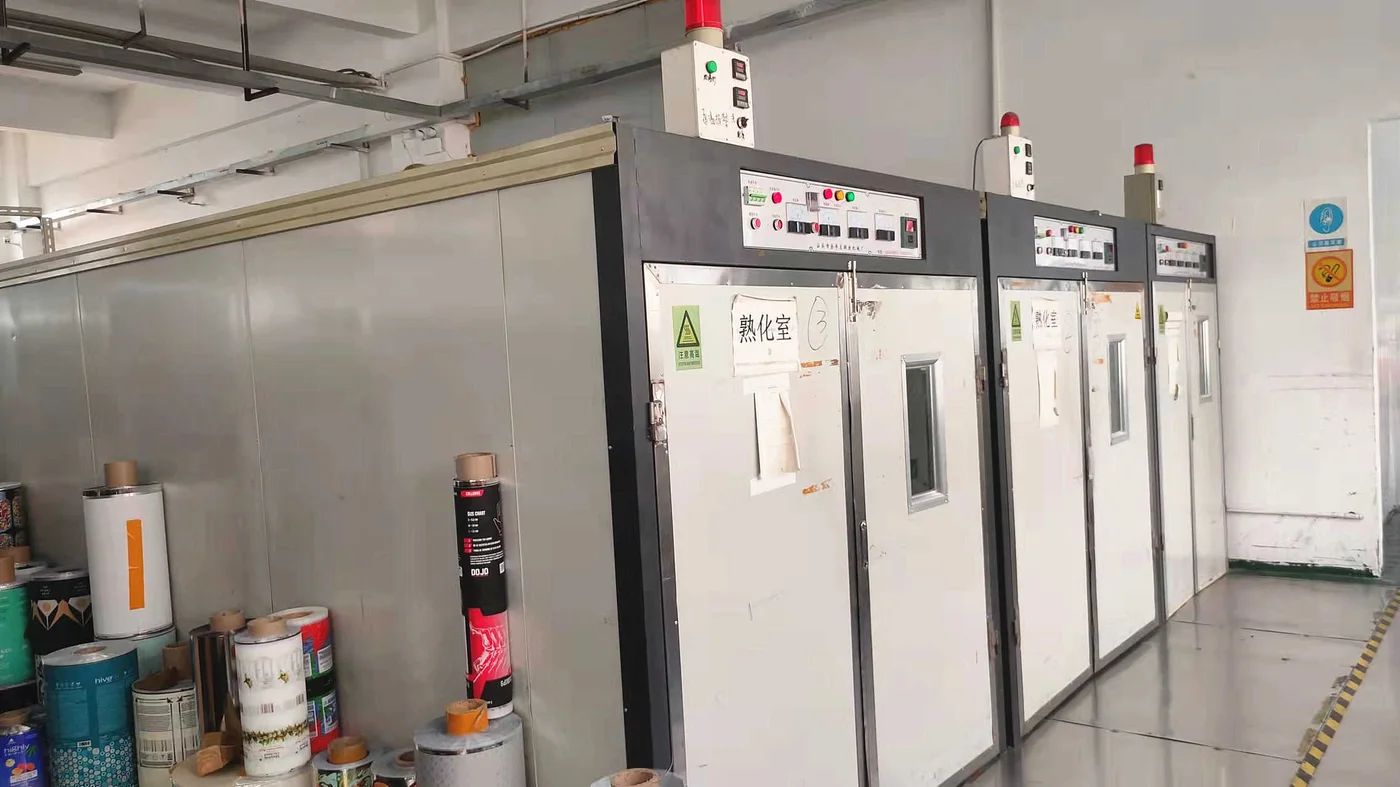
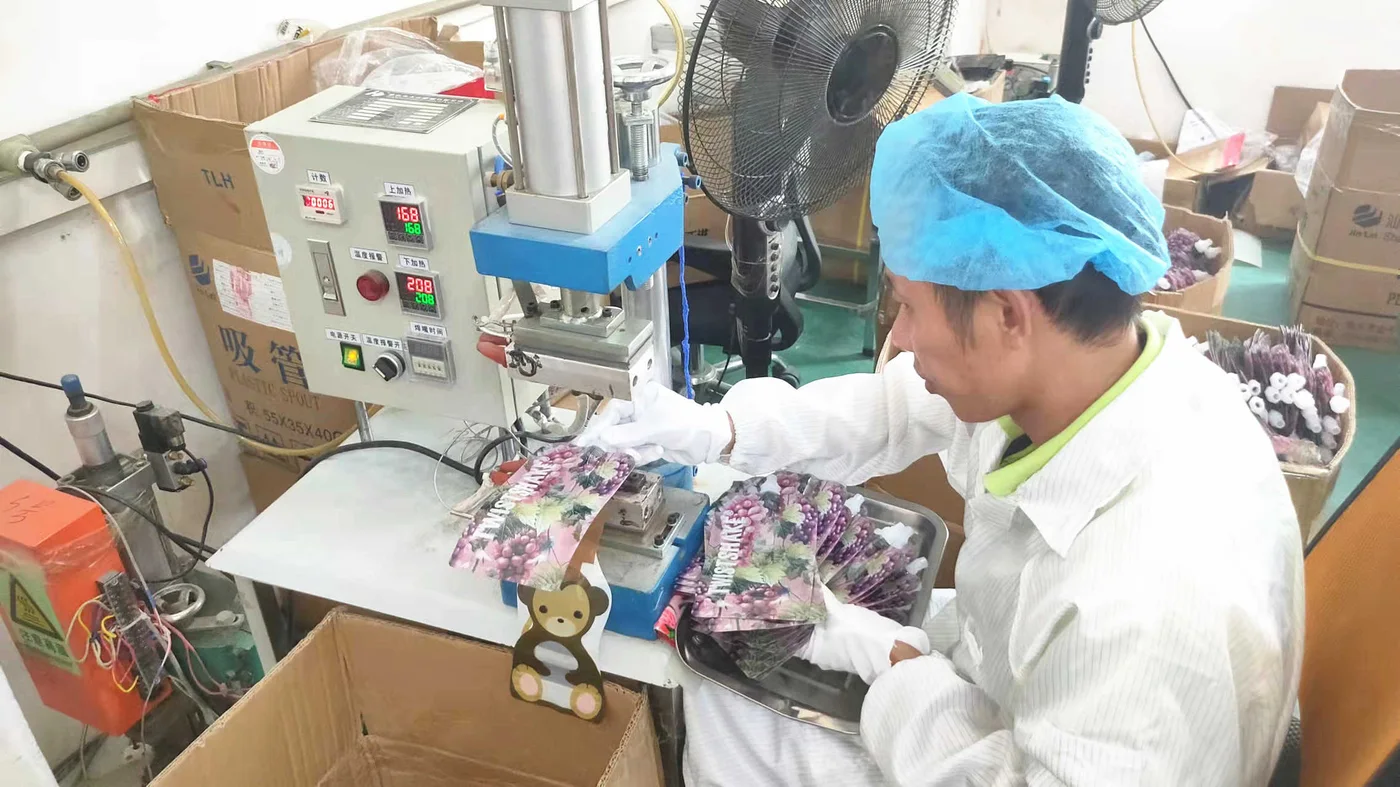
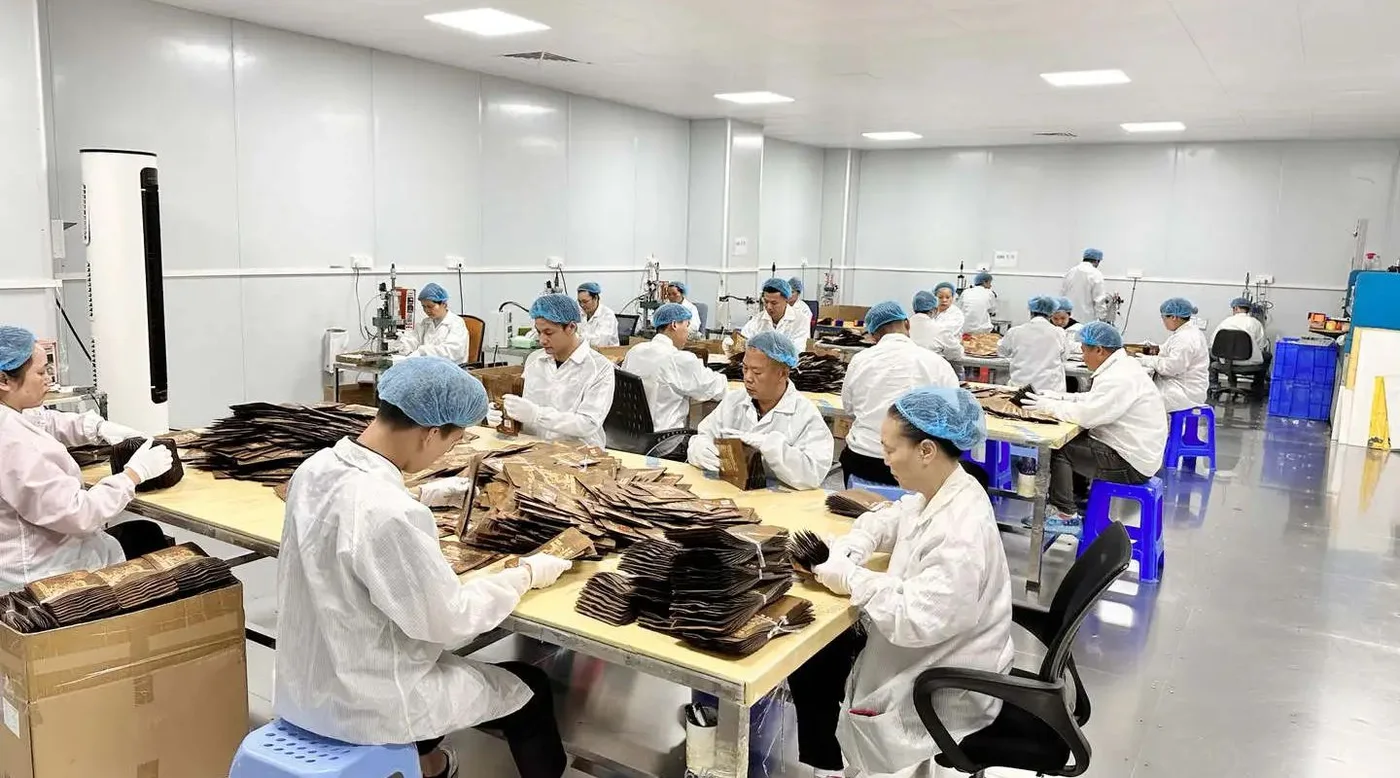
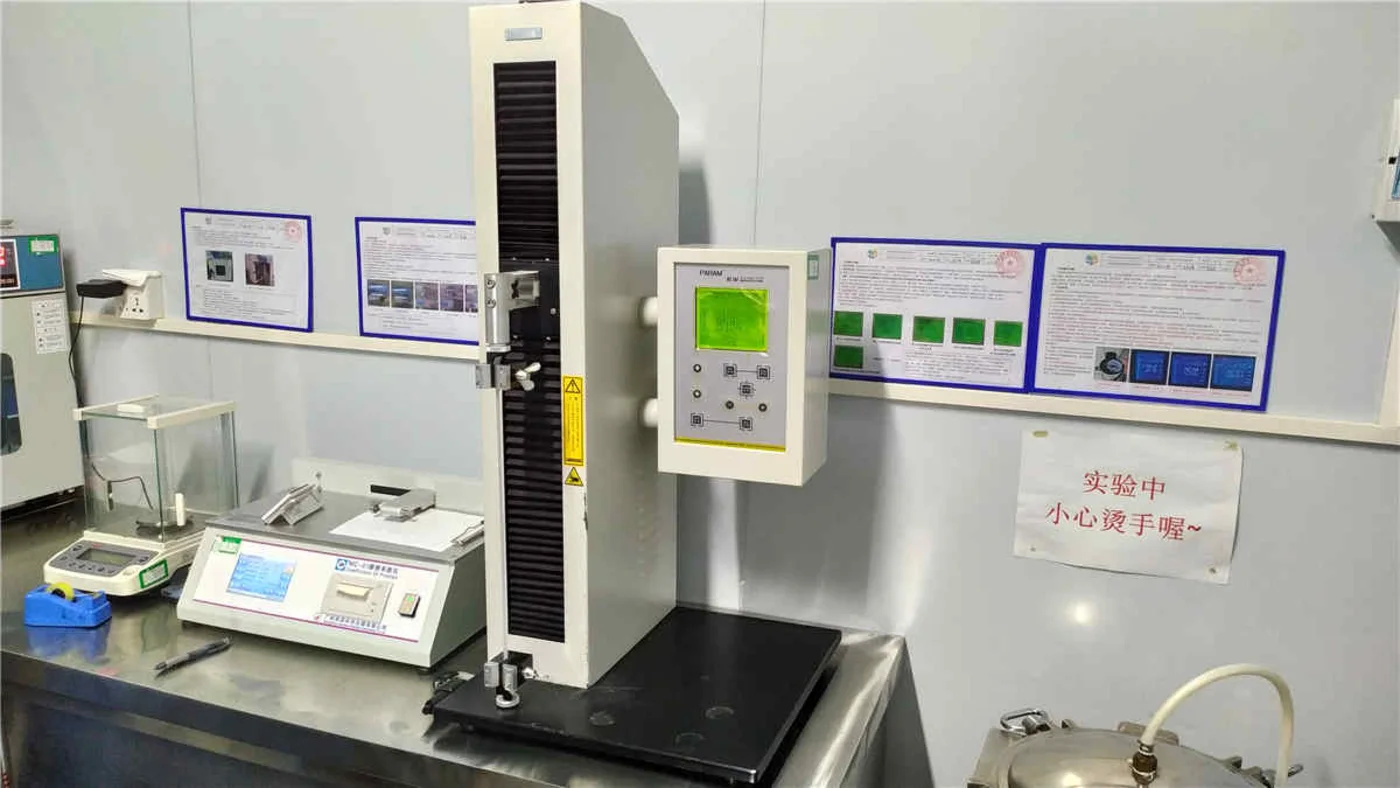
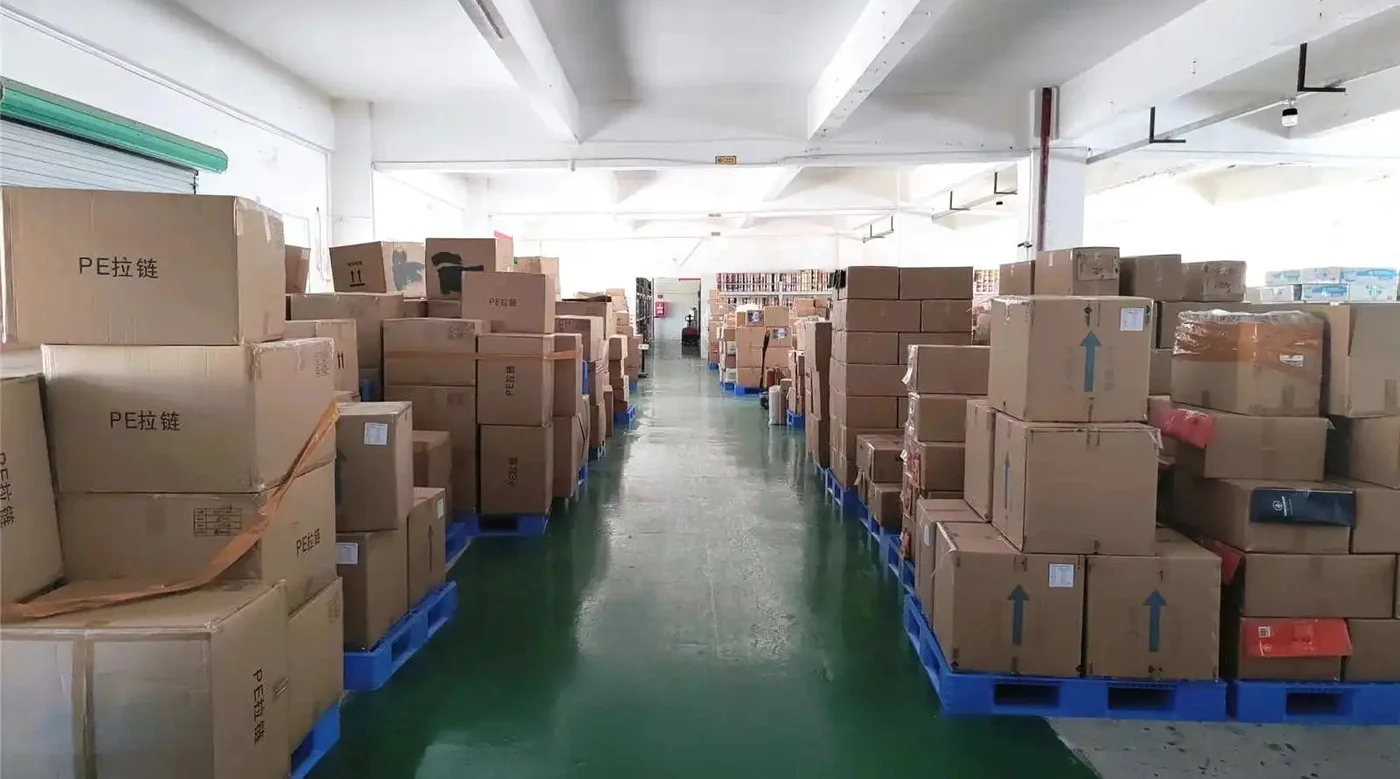
Our own site in Shenzhen, China. Compounding, extrusion, printing, lamination and finishing sit under one roof, which is why a colour drift or a failed seal gets corrected the same day instead of travelling between subcontractors.
Credentials
Audited, Tested and Certified
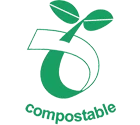
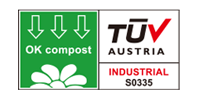
Compostability is certified rather than claimed, food contact is tested, and the plant itself is audited. Every mark below is one a buyer can verify.












Send Us the Brief
Product and fill weight, the format you have in mind, quantity per SKU, and where it ships. That is enough for a real quote rather than a range.
Or go straight to us
+86 134 2131 8657
WhatsApp & WeChat
[email protected]
Shenzhen, China
Frequently asked
Questions About How the Plant Runs
Which production steps happen on your own site?
Compounding, three-layer co-extrusion, gravure printing, solventless lamination, curing, bag making, QC and packing. Nothing in that chain leaves the site.
Do you extrude your own film or buy it in?
Both. Film is extruded here where the structure calls for it and sourced to specification where a speciality ply is needed. Either way it is qualified before it reaches the press.
What quality control runs during production?
Colour is checked against the approved sample through the run, seals are pull-tested, and finished bags are dimension-checked. Pre-shipment inspection reports with photographs are standard.
Why does laminate need curing, and how long does it take?
The adhesive has to cross-link before the web can be converted, typically 24 to 48 hours in a temperature-controlled room. Converting too early is what causes delamination in the field.
How do you test that a seal will survive shipping?
Drop tests on filled packs and pull tests on the seal itself. A seal that passes on the bench and fails on a pallet is the failure mode worth catching before shipment.
What is your monthly capacity?
Around 100,000 tonnes of film and finished bags. That is enough headroom that a normal repeat order does not queue behind a large one.
Do you have an in-house lab?
Yes, for barrier, seal strength, coefficient of friction and dimensional checks. Compostability and food-contact testing go to accredited third parties such as SGS.
What happens to trim and waste film?
Clean process waste is pelletised on site and returned to non-food applications rather than sold off as mixed scrap. That line is part of the ISO 14001 scope.
Can you run a trial before committing to full production?
Yes. A short press run on the real substrate shows the actual printed colour and seal behaviour. It costs a setup but is far cheaper than discovering a problem at full quantity.
How do you handle a repeat order — is anything re-checked?
Cylinders and dielines are reused, so print and size are unchanged, but the substrate is re-qualified and the first-off is checked against the retained approved sample.