
 Custom Printed Back Seal Pouch for Snacks
Back Seal Pouches
Back seal pouches, also known as pillow pouches, are one web of film sealed down the back and across each end. It is the lowest-cost flexible format there is and what most crisp and snack packs are, made in foil and PET/PE laminates and sized to your fill weight rather than to a stock range. We supply them as finished bags or as printed roll film for your own form-fill-seal line, which is how most high-volume snack lines buy them.
In this range23 products
Minimum orderFrom 1,000 pieces
SamplesStock samples free
Lead time15-25 days after approval
-
Custom Printed Back Seal Pouch for Snacks
-
 Custom Printed Back Seal Pouch for Snacks No. 10
 -
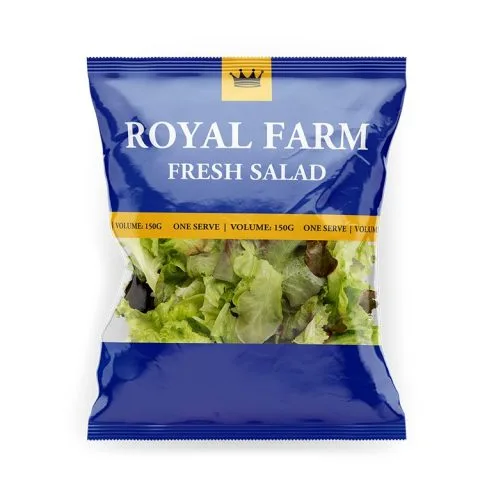 Custom Printed Back Seal Pouch for Snacks No. 11
 -
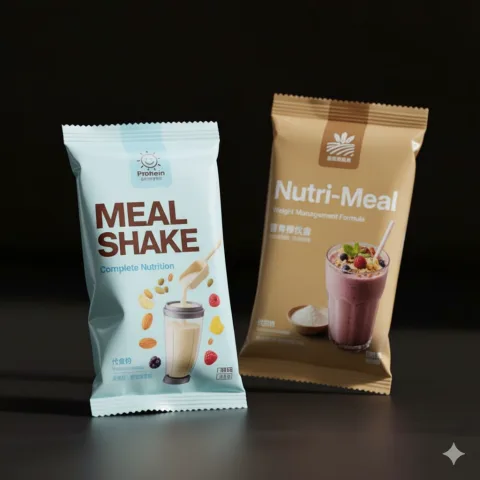 Custom Printed Back Seal Pouch for Snacks No. 12
 -
Custom Printed Back Seal Pouch for Snacks No. 2
-
 Custom Printed Back Seal Pouch for Snacks No. 3
 -
 Custom Printed Back Seal Pouch for Snacks No. 4
 -
 Custom Printed Back Seal Pouch for Snacks No. 5
 -
 Custom Printed Back Seal Pouch for Snacks No. 6
 -
 Custom Printed Back Seal Pouch for Snacks No. 7
 -
 Custom Printed Back Seal Pouch for Snacks No. 8
 -
 Custom Printed Back Seal Pouch for Snacks No. 9
 -
 Custom Printed Compostable Back Seal Pouch for Snacks
 -
 Custom Printed Foil Back Seal Pouch for Snacks
 -
 Custom Printed Foil Back Seal Pouch for Snacks No. 2
 -
 Custom Printed Foil Back Seal Pouch for Snacks No. 3
 -
 Custom Printed Foil Back Seal Pouch for Snacks No. 4
 -
 Custom Printed Foil Back Seal Pouch for Snacks No. 5
 -
 Custom Printed Foil Back Seal Pouch for Snacks No. 6
 -
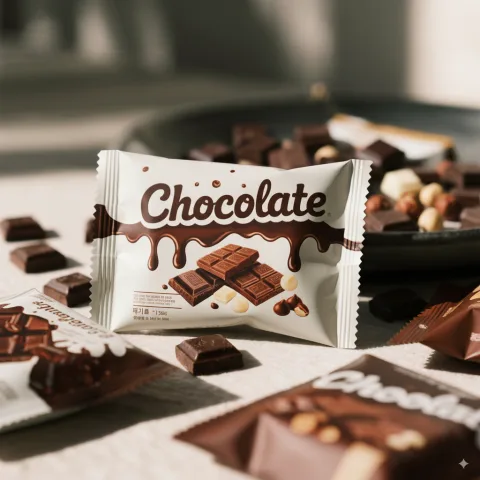 Custom Printed Foil Back Seal Pouch for Snacks No. 7
 -
 Custom Printed Foil Fertiliser Bag with Zipper (1 kg)
 -
 Custom Printed Mylar Bag for Odour and Moisture Sensitive Dry Goods No. 4
 -
 Custom Printed Pet Food Bag with Zipper (1 kg/2 kg/5 kg)
How a back seal pouch is built
One Web, One Seam, the Least Material for the Volume
A back seal pouch is a single web of film wrapped into a tube, sealed down the back and across both ends. It uses less material than any other construction of the same volume, runs at the highest line speeds, and costs the least per pack. For crisps, snacks and anything opened once and finished, that is the right answer rather than the cheap one.
Fin Seal or Lap Seal
A fin seal joins the film inside-to-inside and stands proud on the back. It is the stronger of the two and the default wherever a barrier layer must not be exposed. A lap seal overlaps inside-to-outside, lies flat and uses marginally less film, but the sealant has to be compatible with the printed outer surface. We choose between them from your filling line and your structure rather than from habit.
When It Stops Being the Right Pack
The moment a customer needs to close it again. A pillow pouch has nowhere to put a zipper without changing the construction, so if the product is used over a fortnight the honest recommendation is a stand up pouch. If it has to face forward on a shelf, stand up or flat bottom. Back seal is for pack-and-go.
Or Buy It as Film
If you fill on your own horizontal or vertical form-fill-seal machine, buy the same laminate as printed roll film and make the pouch on your line instead.
Narrow it down
Where Back Seal Pouches Sits in the Range
The numbers are how many packs in this range are also in that one, counted from the catalogue rather than chosen by hand.
The Materials It Runs In
What This Range Is Used For
Frequently asked
Specifying Back Seal Pouches: The Questions That Decide It
What is the difference between fin seal and lap seal?
A fin seal joins film inside-to-inside and stands proud on the back; it is stronger and keeps the barrier layer unexposed. A lap seal overlaps inside-to-outside, lies flat and uses slightly less film.
Which one will you use for my product?
Whichever suits your filling line and your structure. Fin is the default where a barrier layer must not be exposed; lap where a flat back matters for the pack aesthetic.
Why is it the cheapest construction?
One web, one seam and no gusset. Less film per unit of volume than anything else here, and the fastest to run on a form-fill-seal line.
Can it have a zipper?
Not without changing the construction. If the product is used over more than a day or two, a stand up pouch is the honest recommendation rather than a compromise here.
Will it stand on a shelf?
No. It is a pillow — it lies down or hangs. Where facing matters, stand up or flat bottom is the right shape.
Can I hang it on a peg?
Yes, with a euro slot or a hang hole in the top seal. That is how most snack and confectionery lines in this construction are merchandised.
Does it work for frozen products?
With a freezer-grade sealant, yes. Cold makes standard sealants brittle, and a pillow pouch has one long seam that will find that out.
Can you print the back seal area?
The artwork continues across it, but the seam itself distorts the print slightly. We position the seal so it lands on a quiet part of the design rather than through a logo.
What sizes do you run?
From single-portion sachets up to family snack bags. Above about 1 kg the seam starts to be the limiting factor and a gusseted construction takes over.
Should I buy pouches or film?
If you fill in house on a VFFS or HFFS line, buy the laminate as printed roll film and make the pouch on your own machine. If you fill by hand or outsource it, buy them made.