
 Aluminium Foil Doypack with Mylar Ziplock for Confectionery
Foil Barrier Pouches
Foil barrier pouches are built on a PET/AL/PE laminate, where an aluminium layer stops oxygen, moisture, light and aroma almost completely. We run them as stand up pouches, flat bottom bags and flat sachets from 5 g to 25 kg, with zippers and one-way degassing valves. It is the structure for coffee, protein powder, smell-proof mylar bags and anything whose fat content attacks a lighter film. Foil is opaque to metal detection, so lines that inspect after filling take metallised PET instead.
In this range173 products
Minimum orderFrom 1,000 pieces
SamplesStock samples free
Lead time15-25 days after approval
-
Aluminium Foil Doypack with Mylar Ziplock for Confectionery
-
 Aluminium Foil Stand Up Pouch with Ziplock for Powders and Spices
 -
 Aluminium Ziplock Mylar Pouch for Sugar and Dry Goods
 -
 Child-Resistant Zipper Foil Pouch, Smell-Proof Mylar
 -
 Custom Printed Foil 3 Side Sealed Bag for Sachets
 -
 Custom Printed Foil 3 Side Sealed Bag for Sachets (25 kg)
 -
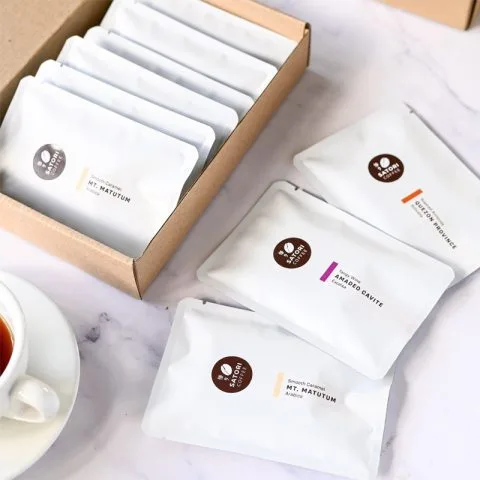 Custom Printed Foil 3 Side Sealed Bag for Sachets No. 2
 -
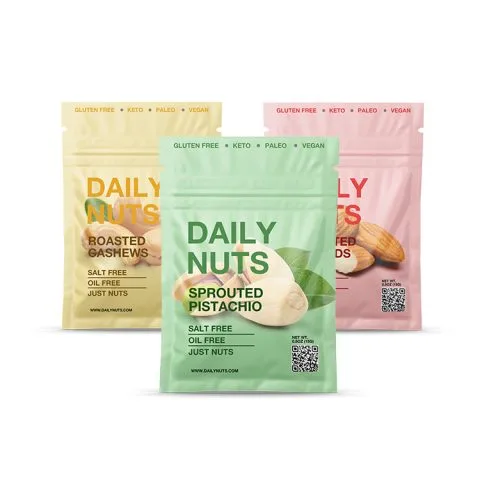 Custom Printed Foil 3 Side Sealed Bag with Zipper – Smell-Proof
 -
 Custom Printed Foil Back Seal Pouch for Snacks
 -
 Custom Printed Foil Back Seal Pouch for Snacks No. 2
 -
 Custom Printed Foil Back Seal Pouch for Snacks No. 3
 -
 Custom Printed Foil Back Seal Pouch for Snacks No. 4
 -
 Custom Printed Foil Back Seal Pouch for Snacks No. 5
 -
 Custom Printed Foil Back Seal Pouch for Snacks No. 6
 -
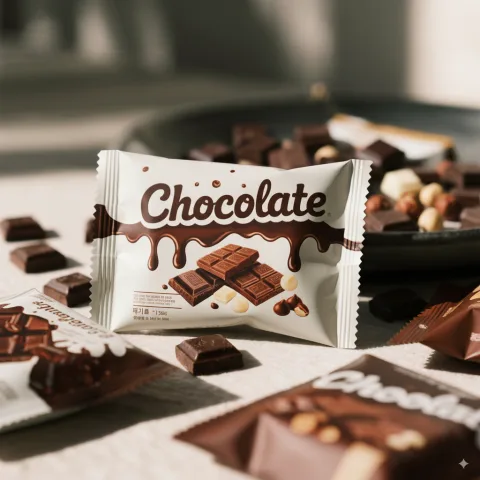 Custom Printed Foil Back Seal Pouch for Snacks No. 7
 -
 Custom Printed Foil Clothing Bag with Zipper
 -
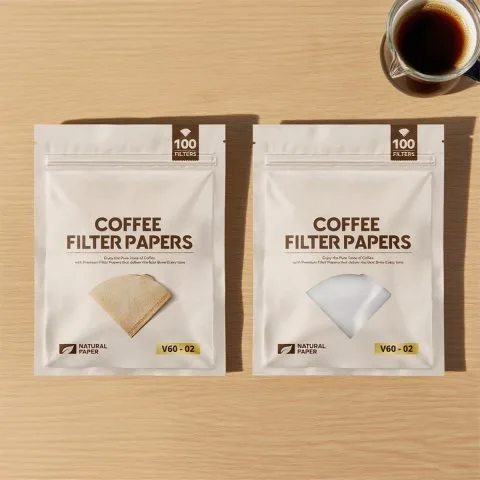 Custom Printed Foil Coffee Bag for Whole Bean and Ground Coffee
 -
 Custom Printed Foil Coffee Bag for Whole Bean and Ground Coffee (250 g)
 -
 Custom Printed Foil Coffee Bag with Valve (25 kg)
 -
 Custom Printed Foil Coffee Bag with Valve (250 g)
 -
 Custom Printed Foil Coffee Bag with Zipper and Valve
 -
 Custom Printed Foil Coffee Bag with Zipper and Valve
 -
 Custom Printed Foil Coffee Bag with Zipper and Valve (250 g)
 -
 Custom Printed Foil Coffee Bag with Zipper and Valve (250 g)
 -
 Custom Printed Foil Coffee Bag with Zipper and Valve and Window (100 g)
 -
 Custom Printed Foil Coffee Bag with Zipper and Valve No. 2
 -
 Custom Printed Foil Drip Coffee Bag for Single-serve Drip Coffee
 -
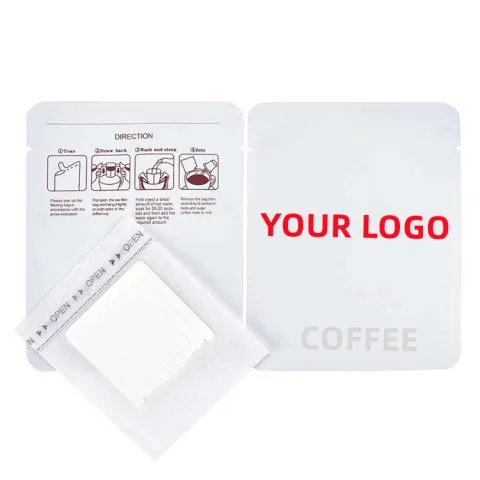 Custom Printed Foil Drip Coffee Bag for Single-serve Drip Coffee No. 2
 -
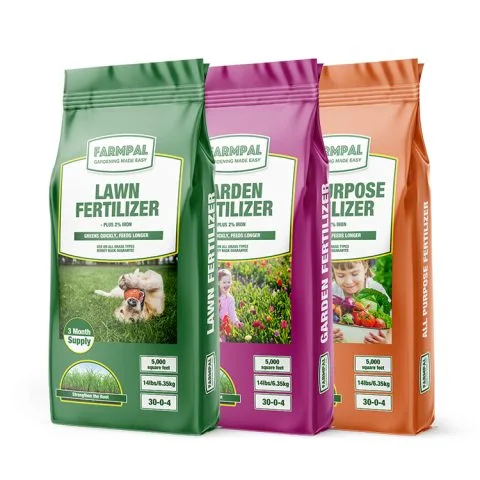 Custom Printed Foil Fertiliser Bag
 -
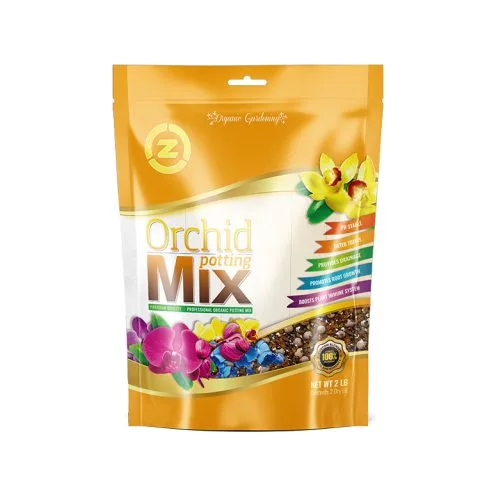 Custom Printed Foil Fertiliser Bag (250 g)
 -
 Custom Printed Foil Fertiliser Bag No. 2
 -
 Custom Printed Foil Fertiliser Bag with Zipper (1 kg)
 -
 Custom Printed Foil Flat Bottom Bag for Coffee (1 kg)
 -
 Custom Printed Foil Flat Bottom Bag with Zipper
 -
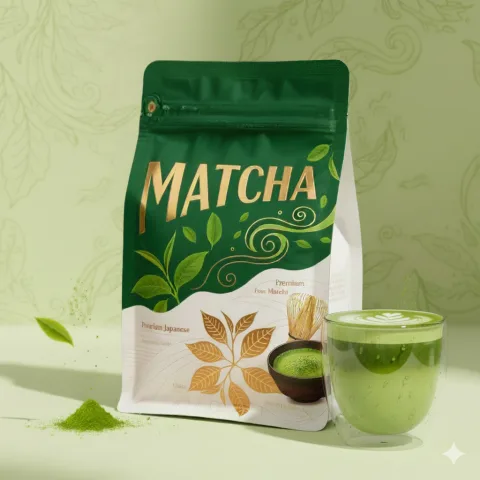 Custom Printed Foil Flat Bottom Bag with Zipper (1 kg)
 -
 Custom Printed Foil Flat Bottom Bag with Zipper (300 g)
 -
 Custom Printed Foil Flat Bottom Bag with Zipper (500 g)
 -
 Custom Printed Foil Flat Bottom Bag with Zipper No. 2
 -
 Custom Printed Foil Flat Bottom Bag with Zipper No. 3
 -
 Custom Printed Foil Matt Coffee Bag for Whole Bean and Ground Coffee (250 g)
 -
 Custom Printed Foil Matt Coffee Bag with Valve (100 g)
 -
 Custom Printed Foil Matt Coffee Bag with Valve (250 g)
 -
 Custom Printed Foil Matt Coffee Bag with Valve (250 g/500 g/8 oz/12 oz/1 kg/2 kg)
 -
 Custom Printed Foil Matt Coffee Bag with Window (100 g)
 -
 Custom Printed Foil Matt Coffee Bag with Zipper (100 g)
 -
 Custom Printed Foil Matt Coffee Bag with Zipper (250 g)
 -
 Custom Printed Foil Matt Coffee Bag with Zipper and Valve
 -
 Custom Printed Foil Matt Coffee Bag with Zipper and Valve
About foil barrier packaging
When the Shelf Life Has to Be Measured in Years
A foil pouch is a PET/AL/PE laminate: print and strength on the outside, an unbroken layer of aluminium in the middle, a sealant on the inside. That aluminium layer is what separates foil packaging from everything else — it does not slow light and oxygen down, it stops them. Almost every twelve or eighteen month shelf life claim in flexible packaging rests on it.
What the Aluminium Layer Actually Buys
- Oxygen. Effectively zero transmission, where a metallised film still lets some through. This is what keeps coffee, nuts and fats from going rancid.
- Light. Total block. Vitamins, pigments and essential oils degrade in daylight, and a clear window is a hole in that protection.
- Moisture. The barrier that stops powders caking and crisps softening.
- Odour, both ways. Aromatics stay in; the smell of whatever is stored beside it stays out.
Where Foil Is Worth the Cost, and Where It Is Not
| If the product | Specify |
|---|---|
| Has to last a year or more, or ships by sea into a hot market | Foil |
| Is aromatic, high in fat, or light sensitive | Foil |
| Sells through in weeks and is not fragile | Clear or metallised PET/PE |
| Has to carry a kerbside recycling claim | Mono-material PE — see recycled and recyclable options |
| Has to compost at end of life | PLA/PBAT compostable, with a shorter shelf life |
The Honest Trade-off
A foil laminate is not recyclable in a kerbside stream, and no amount of wording changes that. If your market or your brand needs a recycling claim, the choice is between shelf life and end of life, and it is better made deliberately at the quote stage than discovered later. We will specify both and tell you what each does to the date on the pack.
Foil runs in every format we make: coffee bags with valves, stand up pouches, mylar bags with child-resistant zippers, protein pouches, spout pouches and flat sachets, from 5 g sample sizes to 25 kg industrial fills.
Narrow it down
Where Foil Barrier Pouches Sits in the Range
The numbers are how many packs in this range are also in that one, counted from the catalogue rather than chosen by hand.
The Shapes This Range Is Made In
Frequently asked
Specifying Foil Barrier Pouches: The Questions That Decide It
What does the aluminium layer actually stop?
Oxygen, light, moisture and odour, in both directions. It is not a partial barrier that slows them down — an unbroken foil layer is effectively impermeable, which is why the longest shelf lives rest on it.
Is a foil pouch recyclable?
Not in a kerbside stream. Aluminium bonded to plastic cannot be separated economically. If a recycling claim matters more than shelf life, mono-material PE is the honest alternative and we will quote both.
Foil or metallised — what is the difference?
Metallised film is plastic with a vapour-deposited aluminium coating a fraction of a micron thick. It looks similar and costs less, holds moisture nearly as well, and is well short of foil on oxygen.
Can a foil pouch have a window?
Yes, but understand what it is: a hole in the barrier. On a light-sensitive or long-dated product a window can cost more shelf life than the packaging design gains.
What foil thickness do you use?
Typically 7 to 9 microns of aluminium inside an 80 to 160 micron total laminate. Thicker foil resists pinholing; thinner flexes better. The fill weight and the handling decide it.
Does foil crack or pinhole when the pack flexes?
It can, at fold lines, if the laminate is under-specified for a heavy or sharp fill. We set the aluminium gauge and the outer web against the product and the freight route rather than to a default.
Will a foil pouch pass our metal detector?
No — aluminium sets off a metal detector, so foil packs are checked before filling or with X-ray instead. Tell us your line at the quote stage and we will say what is workable.
Can foil pouches be retorted?
Yes, with a retort-grade laminate and a matched fitment where there is a spout. Both parts have to be specified for it; a standard structure delaminates in a retort.
Does foil hold smell in as well as it keeps oxygen out?
Yes, and that is a large part of why it is specified for coffee, spices and aromatics. For odour control specifically, the zipper matters as much as the film — a good laminate with a weak zipper still leaks.
Is the foil in contact with the product?
No. There is always a sealant layer between the aluminium and the fill, and that layer is what carries the food-contact certification.